
Hyundai Sonata LF: Air Conditioning System / General Safety Information and Caution
Hyundai Sonata LF 2014-2019 Service Manual / Heating, Ventilation and Air Conditioning / Air Conditioning System / General Safety Information and Caution
| Instructions |
When Handling Refrigerant
| 1. |
R-134a liquid refrigerant is highly volatile. A drop on the
skin of your hand could result in localized frostbite. When handling the
refrigerant, be sure to wear gloves. |
| 2. |
It is standard practice to wear goggles or glasses to protect
your eyes, and gloves to protect your hands. If refrigerant splashes
into your eyes, wash them with clean water immediately. |
| 3. |
The R-134a container is highly pressurized. Never leave it in
a hot place, and check if storage temperature is below 52°C (126°F) |
| 4. |
An electronic leak detector should be used to check the
system for refrigerant leakage. Bear in mind that the R-134a, upon
coming into contact with flame, produces phosgene, a highly toxic gas. |
| 5. |
Use only recommended lubricant for R-134a systems. If lubricants other than the recommended one used, system failure may occur. |
| 6. |
PAG lubricant absorbs moisture from the atmosphere at a rapid rate, therefore the following precautions must be observed:
|
| 7. |
If an accidental discharge in the system occurs, ventilate the work area before resume of service.
|
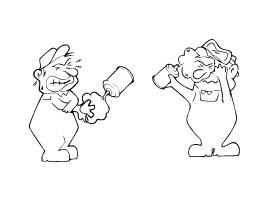
When Replacing Parts on A/C System
| 1. |
Never open or loosen a connection before discharging the system. |
| 2. |
Seal the open fittings of components with a cap or plug immediately to prevent intrusion of moisture or dust. |
| 3. |
Do not remove the sealing caps from a replacement component until it is ready to be installed. |
| 4. |
Before connecting an open fitting, always install a new
sealing ring. Coat the fitting and seal with refrigerant oil before
making the connection.
|
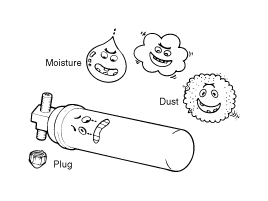
When Installing Connecting Parts
Flange With Guide Pin
Check the new O-ring for damage (use only the specified) and
lubricate by using compressor oil. Tighten the nut to the specified
torque.
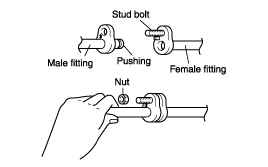
Handling Tubing and Fittings
The internal parts of the refrigeration system will remain in
a state of chemical stability as long as pure moisture-free refrigerant
and refrigerant oil are used. Abnormal amounts of dirt, moisture or air
can upset the chemical stability and cause problems or serious damage.
The Following Precautions Must Be Observed
| 1. |
When it is necessary to open the refrigeration system, have
everything you will need to service the system ready so the system will
not be left open any longer than necessary. |
| 2. |
Cap or plug all lines and fittings as soon as they are opened to prevent entrance of dirt and moisture. |
| 3. |
All lines and components in parts stock should be capped or sealed until they are ready to be used. |
| 4. |
Never attempt to rebind formed lines to fit. Use the correct line for the installation you are servicing. |
| 5. |
All tools, including refrigerant dispensing manifold, gauge set manifold and test hoses, should be kept clean and dry. |


Other information:
Hyundai Sonata LF 2014-2019 Service Manual: Crash Pad Lower Panel Repair procedures
Replacement • Put on gloves to protect your hands. • When prying with a flat-tip screwdriver or use a prying trim tool, wrap it with protective tape, and apply protective tape around the related parts, to prevent damage...
Hyundai Sonata LF 2014-2019 Service Manual: Mic Repair procedures
I..
Categories
- Manuals Home
- Hyundai Sonata Owners Manual
- Hyundai Sonata Service Manual
- Brake System
- Suspension System
- General Information
- New on site
- Most important about car

Copyright © 2026 www.hsonatalf.org